Clarification on E-Way Bill Requirement for Goods under Chapter 71

The Goods and Services Tax (GST) framework in India mandates the generation of an E-Way Bill (EWB) for the movement of goods above a specified value. However, Rule 138(14) of the Central Goods and Services Tax (CGST) Rules, 2017, along with its Annexure S.Nos. 4 and 5, provides certain exemptions. Specifically, goods falling under Chapter …

Advisory for Biometric-Based Aadhaar Authentication and Document Verification for GST Registration Applicants of Tamil Nadu and Himachal Pradesh

We wish to inform you of recent developments regarding the GST registration process that may impact your application. The following points outline key updates pertaining to biometric-based Aadhaar authentication and document verification for GST registration applicants in Tamil Nadu and Himachal Pradesh: Key Updates: We advise all applicants to adhere to these updated procedures to …

Advisory on HSN Validations in Table 12 of GSTR-1

The Goods and Services Tax (GST) framework has introduced several enhancements to the reporting of Harmonized System of Nomenclature (HSN) codes in Table 12 of GSTR-1/1A. These changes aim to streamline compliance and improve the accuracy of tax reporting, with phased implementation starting from November 2022. Below is a detailed overview of the advisory on …

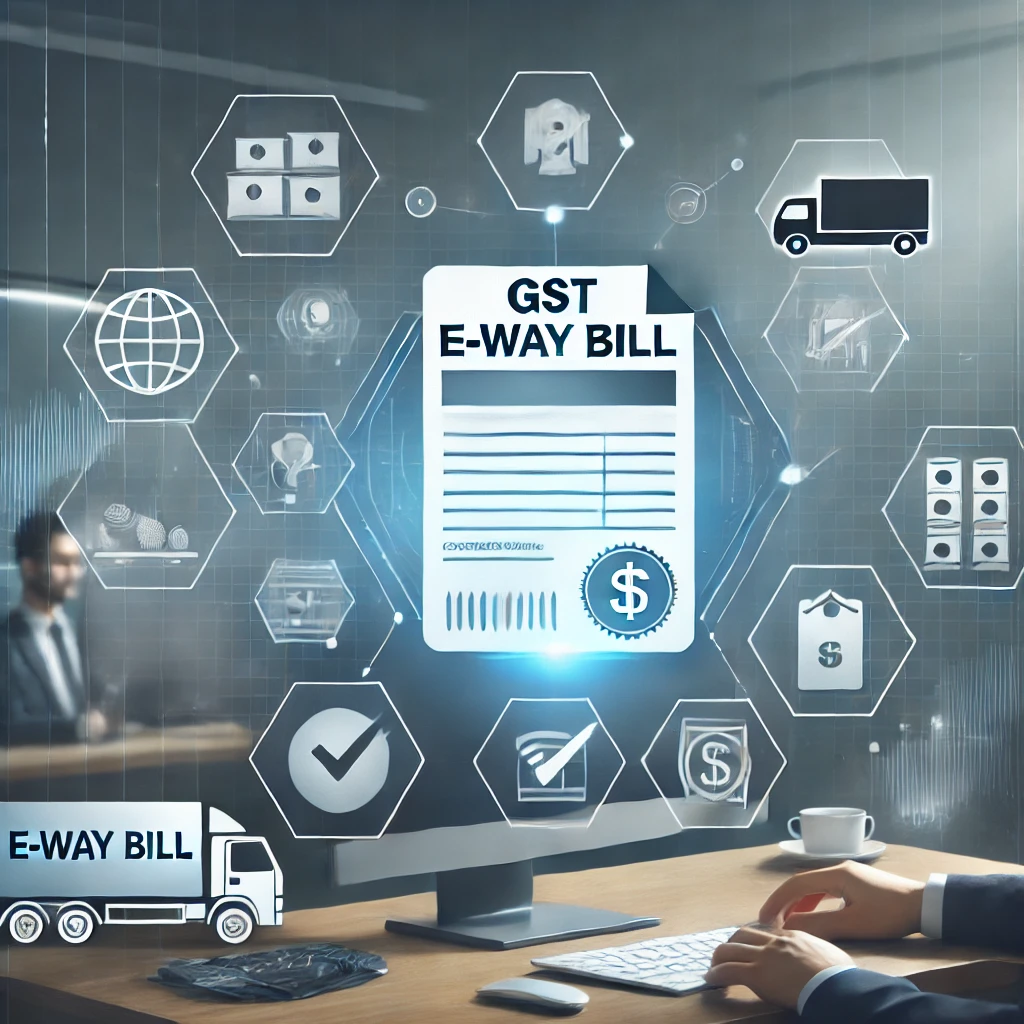
Procedural Aspects in E-Way Bill Generation In GST

The E-Way Bill is an important compliance mechanism under GST (Goods and Services Tax) in India, designed to ensure smooth movement of goods while preventing tax evasion. It is applicable to the transportation of goods exceeding ₹50,000 in value. The generation of an E-Way Bill is necessary for the movement of goods across states and …

Guide to E-Way Bills in India: Rules, Applicability, and Benefits

Introduction to E-Way Bills in India As per Indian regulations, the movement of goods valued over ₹50,000 requires an e-way bill, a mandatory document. In this discussion, we will delve into the benefits of e-way bills, their applicability, the generation process, and associated procedures. Effective April 1, 2018, e-way bills are mandatory for both interstate …

GST Portal Activates Filing of Application for Rectification Under Notification No. 22/2024-CT

The Central Government, acting on the recommendations of the 54th GST Council, issued Notification No. 22/2024-CT on October 8, 2024. This notification introduced a significant amendment allowing registered persons to file applications for rectification of demand orders related to wrongful availment of Input Tax Credit (ITC) under specific conditions. Key Provisions of Notification No. 22/2024-CT …

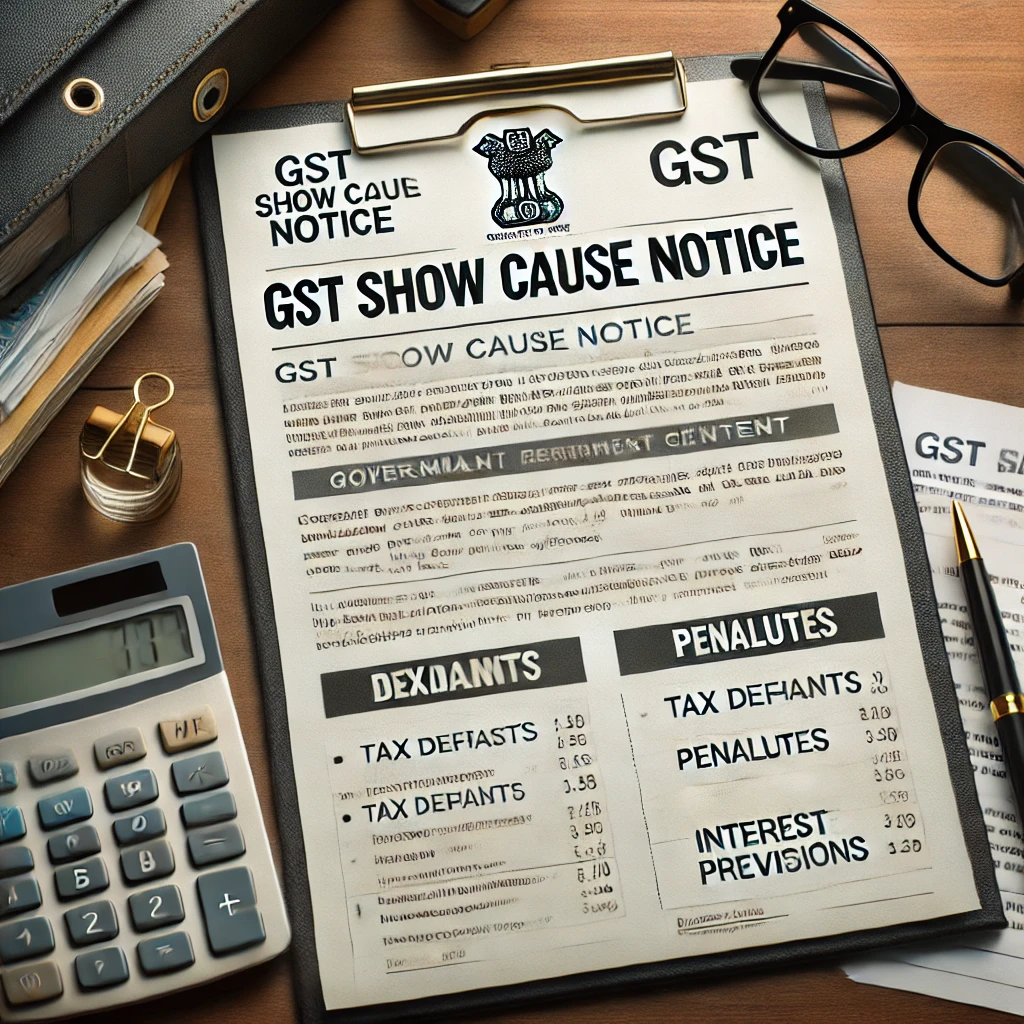
Detailed Discussion on Section 74A of the GST Act: Show Cause Notices, Demands, Penalties, Interest Provisions

The Goods and Services Tax (GST) framework in India has been constantly evolving to address various compliance and administrative challenges. GST Show Cause Notices (SCNs) issued under Sections 73 and 74 of the GST Act have long been a cornerstone of tax recovery. These sections have provided clarity on addressing cases of tax non-compliance. However, …

Duty Drawback in India: Meaning, Types, and Benefits for Exporters

India, as a growing economy, has seen significant engagement in international trade, with businesses actively involved in the export and import of goods. Among the many facets of this trade is the concept of duty drawback, an essential mechanism that provides relief from import duties under certain conditions. This article delves into the fundamentals of …

Advisory to Taxpayers on Extension of E-Way Bills Expired on 31st December, 2024

The Goods and Services Tax (GST) department is pleased to announce that the technical challenges experienced with the e-way bill generation process have been successfully resolved. The portal is now fully operational, ensuring a smooth experience for taxpayers and transporters. In light of the earlier disruption, the following facilitation measures have been implemented to assist …

All About the GST Refund

The Goods and Services Tax (GST) system was introduced to simplify the indirect tax structure in many countries, including India. It replaced various taxes with a single tax, aiming to create a uniform and efficient system. While the GST system has made tax compliance easier for businesses, it often results in situations where businesses are …

Talk to us
Chat with us